Across Eastern Kentucky an impactful movement is gaining momentum: the fight against downtown vacancy and blight. Towns are enacting vacancy ordinances to hold property owners accountable, revitalize struggling business districts, and protect neighborhood character. These policies are helping communities turn once-neglected buildings into productive spaces, proving that small towns can take meaningful steps to strengthen their local economies.
Richmond
The City of Richmond in Madison County is taking a firm stand against vacancy in its historic downtown. With a unanimous vote, the city commission recently passed a comprehensive vacant building ordinance aimed at halting neglect and reversing the decline of once-thriving commercial spaces. The ordinance is part of a broader strategy to restore economic activity and preserve the character of the city’s core, sending a clear message: long-term vacancy will no longer go unchecked.
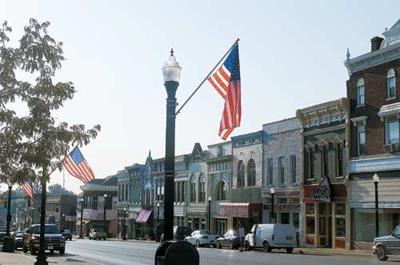
The ordinance requires owners of vacant or abandoned commercial properties in the downtown historical district to register their properties and maintain them to city standards, with escalating annual fees based on the length of vacancy. Its goal is to reduce long-term vacancies, improve property upkeep, and revitalize the downtown area by encouraging active use of commercial spaces.
City officials have been quick to clarify that this ordinance isn’t designed to punish active landlords or discourage investment. Instead, it’s targeted squarely at long-neglected properties that contribute to blight, safety concerns, and economic stagnation. As City Manager Rob Minerich put it, the goal is to hold accountable those who have allowed their properties to deteriorate “for a long time” without any visible effort to rehabilitate them.
Hazard
With the hiring of a Downtown Coordinator, Hazard launched a focused effort to bring life and business back to its historic core. In just five years, 77 new businesses opened downtown—nearly 70 of which are still operating—an exceptional success rate far above the national average. At the center of this progress was Bailey Richards, who now serves as Mountain Association’s Director of Business Support.
A key turning point in Hazard’s downtown revitalization was the implementation of a vacant property tax ordinance in 2017. The ordinance imposed a fivefold increase in city property taxes on vacant and blighted buildings, establishing a formal registry and enforcement process for the first time. “The tax was never intended to be a money maker for the city,” Richards explained, “but rather to be the push people needed to either fix up a building, rent it, or sell it.”
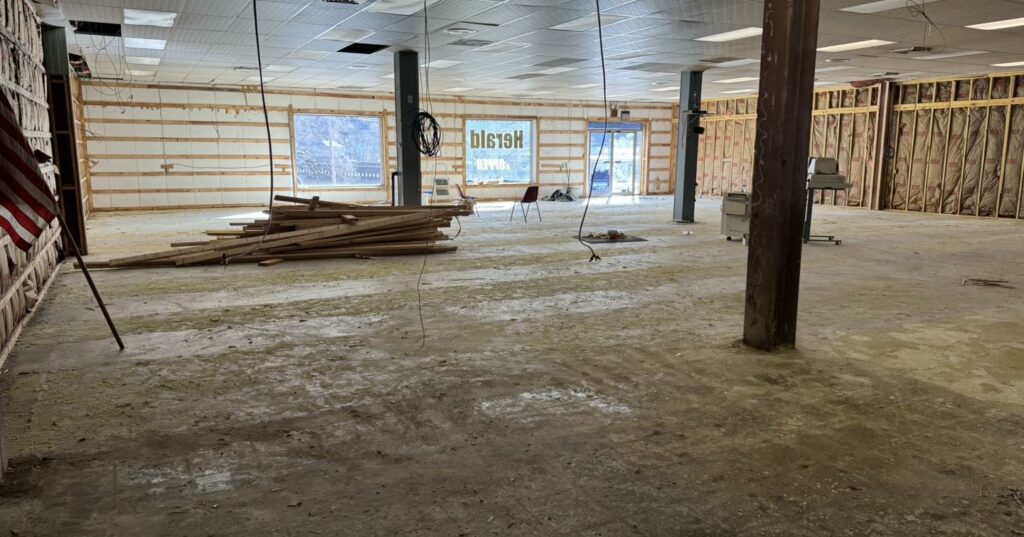
That push worked. “When the first round of notification letters went out, building owners started to have conversations around what they needed to do to not pay the higher rate. This led many buildings to selling,” she said. In just the first few years of the program, more than 50% of the affected properties changed hands—many of them donated to the city or sold at low cost to neighbors committed to improving their blocks. “Many of these buildings were just considered a low priority to the owners. This made them a higher priority.”
In one memorable case, a property that had sat empty for over 20 years finally sold after the owner received his first tax bill. “This is a case where the tax did exactly what it was supposed to do,” Richards said. The building is now home to a locally owned boutique.
Richards also credits Hazard’s success to one-on-one support for entrepreneurs. “Without a doubt the most successful strategy for bringing business into downtown was hiring someone to walk people through the process,” she said. That hands-on guidance was complemented by small grant programs, like the Hazard Downtown Incentive Program, and by the power of momentum. “Success inspires others so each successful business is its own incentive to others to try their own business. You can draw a map of which businesses opened and inspired other businesses.”
479 Main
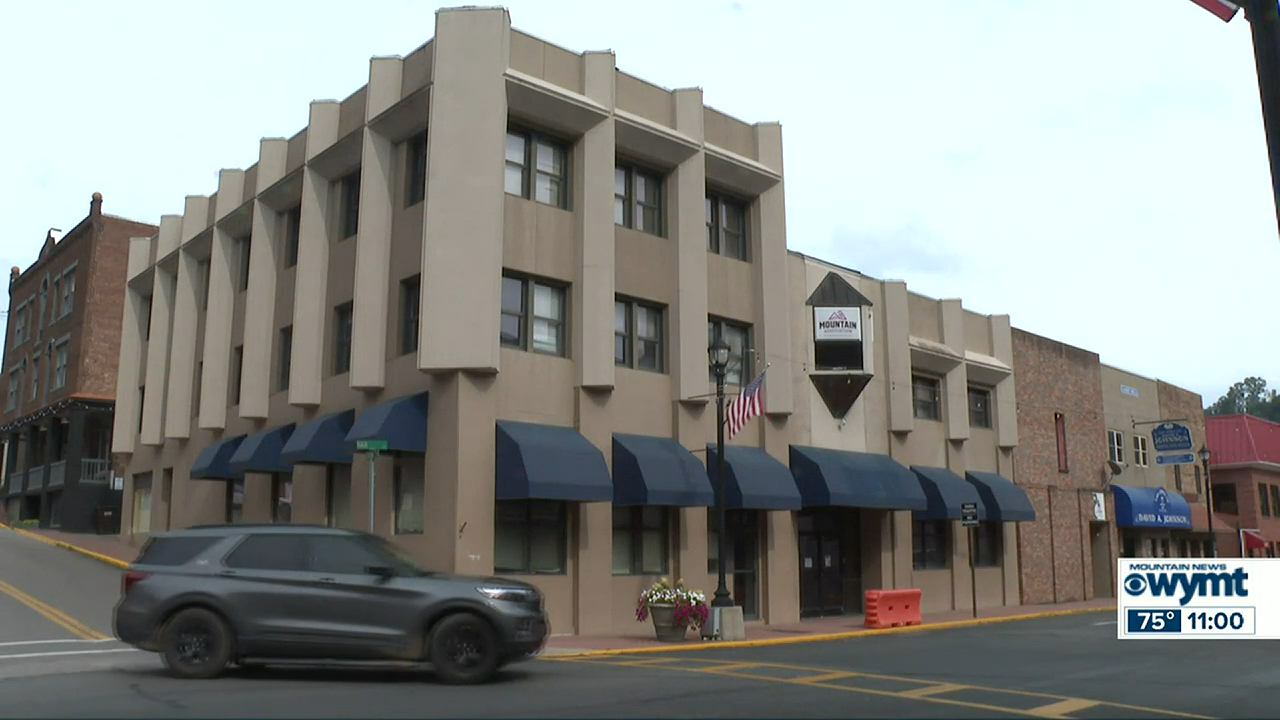
Thanks to momentum from the vacancy tax and strong local support for small businesses, downtown Hazard is seeing some big, exciting changes. One example is the transformation of 479 Main—a historic 11,000-square-foot building that had been empty since 2016. The Mountain Association purchased the property in 2022, and since then, the project has steadily moved forward with structural repairs, design work, and lots of community input. Now, it’s on track to become a vibrant, mixed-use space that brings new life to the heart of downtown.
With its community focus, 479 Main could inspire similar projects in small downtowns all over Eastern Kentucky. When completed, the project will include restaurant space, retail, residential, event space, and even a rooftop lounge. The plans include an elevator and other accessibility standards not often found in older buildings.
“479 Main is an anchor for downtown Hazard because of its location,” said Les Roll, Mountain Association Special Projects Manager. “This community deserves to have a vibrant, accessible space for businesses and downtown life and not just big empty buildings full of ‘used-to-be.’ That’s what we’re trying to do.”